

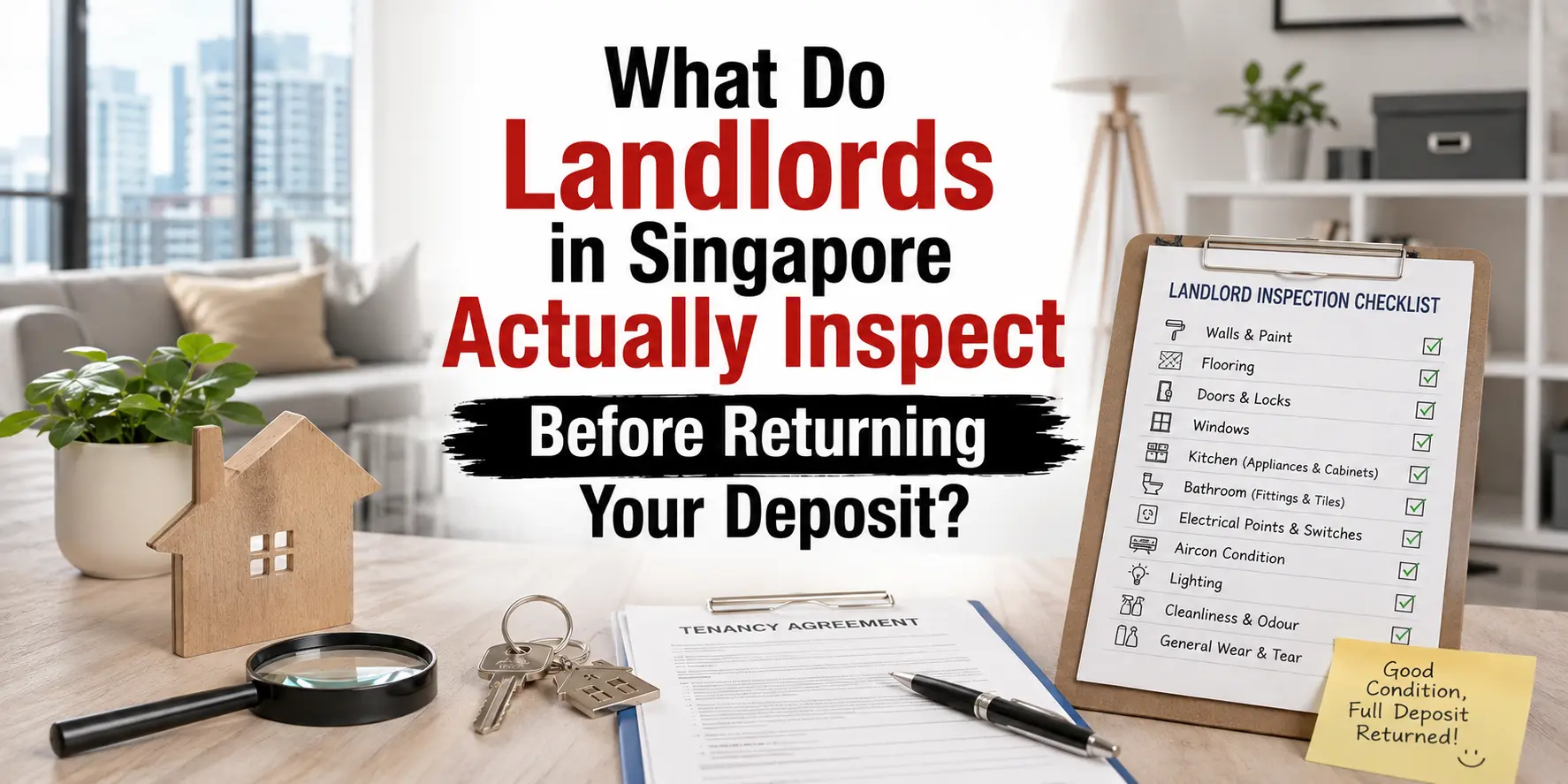
Getting your security deposit back depends on more than handing over the keys. Choosing the best end-of-tenancy cleaning in Singapore, completing necessary repairs, and preparing the property before inspection can significantly improve your chances of receiving a full refund.
Landlords must perform detailed property inspections before they begin their refund approval process. The combination of Singapore end-of-tenancy cleaning selection and immediate repair work before inspection will help you achieve a complete security deposit refund.
This guide will show you the eight specific areas that landlords evaluate during their inspections and explain why security deposits face deductions, teach you to identify normal property aging from tenant-related damage, and demonstrate how professional end-of-tenancy cleaning services will create perfect property conditions for your departure.
The 8 Areas Singapore Landlords Inspect Most Carefully
Every landlord has their own checklist, but most inspections cover the same areas. Here is what they usually look for.
1. Walls
Walls often reveal how well a property has been looked after.
Landlords usually check for:
- Scuff marks from furniture
- Nail or screw holes from picture hooks
- Scratches
- Peeling paint
- Marks left by tape or stickers
Small marks can often be cleaned. Larger holes or damaged paint may need repairs before the inspection.
If you painted the walls during your tenancy, make sure the colour matches the original finish unless your landlord approved the change.
2. Floors
Flooring is another area that receives close attention.
Landlords inspect for:
- Scratches from furniture
- Water stains
- Burn marks
- Loose tiles
- Warping, especially on laminate flooring
Water damage is one of the biggest concerns because it can lead to expensive repairs.
Sweep, vacuum, and mop every room before the inspection. If stains remain, consider move-out deep cleaning to restore the flooring as much as possible.
3. Kitchen
The kitchen often takes the most time to clean.
Landlords usually inspect:
- Cooker hood
- Hob
- Oven
- Sink
- Countertops
- Cabinet interiors
- Drawers
- Splashbacks
Grease is one of the biggest reasons tenants lose part of their deposit.
Cabinets should be empty and free from crumbs, dust, and food stains. Appliances should also be cleaned inside and out.
Professional end of tenancy cleaning services often include deep cleaning of these hard-to-reach areas.
4. Bathrooms
Bathrooms quickly show signs of neglect if they are not cleaned regularly.
Landlords commonly check for:
- Mould on ceilings
- Soap scum
- Limescale
- Black grout
- Dirty shower screens
- Water stains
- Rust marks
Even a clean-looking bathroom may fail inspection if mould is visible.
Pay special attention to grout lines, taps, mirrors, and ventilation areas.
5. Windows and Tracks
Windows should be clean both inside and outside where access is safe.
Landlords also inspect:
- Dust in window tracks
- Dead insects
- Water marks
- Fingerprints
- Cracks
- Condensation stains
Window tracks often collect dirt that tenants overlook.
Cleaning these small areas can leave a much stronger impression during the final inspection.
6. Air Conditioning
Air conditioning units are essential in Singapore, so landlords almost always test them.
They usually check:
- Cooling performance
- Filter cleanliness
- Airflow
- Water leaks
- Strange noises
Many tenancy agreements also require regular servicing.
If servicing records are available, keep them ready during the inspection.
7. Built-In Fittings
Landlords inspect all fixed fittings that came with the property.
These include:
- Wardrobes
- Cabinets
- Shelves
- Doors
- Hinges
- Handles
- Lighting
- Curtains
- Blinds
Everything should work properly.
Loose handles, broken hinges, or damaged shelves may lead to deductions.
8. Overall Smell
The overall smell of a property leaves a lasting impression.
Landlords may notice:
- Pet odours
- Cigarette smoke
- Strong cooking smells
- Damp smells
- Mould odours
A clean home should smell fresh without heavy air fresheners.
Proper ventilation and thorough cleaning usually remove lingering smells before the inspection.
The Top 5 Reasons Singaporean Tenants Lose Their Deposit
Many disputes happen because tenants overlook small problems before moving out.
| Reason | How to Fix It Before Inspection |
| Mould on bathroom ceiling | Professional mould treatment |
| Grease in kitchen hood | Deep degrease session |
| Air conditioning not serviced | Professional air conditioning cleaning |
| Scuff marks on walls | Touch-up paint using the original colour |
| Carpet or floor stains | Professional carpet or floor cleaning |
Taking care of these issues before inspection often costs much less than losing part of your deposit.
What Is Fair Wear and Tear vs. Tenant Damage in Singapore?
Many tenants worry that every small mark will cost them money. That is not always true.
Fair wear and tear refers to normal ageing that happens through everyday use.
Examples include:
Fair Wear and Tear
- Minor nail holes
- Slight fading of paint
- Small carpet flattening
- Light scratches from normal use
- Worn door handles
These are generally expected after someone has lived in the property for some time.
Tenant Damage
Tenant damage goes beyond normal use.
Examples include:
- Large holes in walls
- Crayon or marker drawings
- Broken tiles
- Burn marks
- Water damage caused by negligence
- Broken cabinets
- Missing fixtures
The key difference is whether the damage happened through normal living or careless use.
If you are unsure, check your tenancy agreement before moving out.
Should You Hire Professional End-of-Tenancy Cleaners or DIY?
The answer depends on your situation.
If your security deposit equals two or three months’ rent, hiring professionals can be a sensible investment.
Experienced cleaners know which areas landlords inspect most closely. They also have the equipment needed to remove grease, mould, and stubborn stains.
If the property has:
- Multiple bathrooms
- Built-in appliances
- Large windows
- Heavy kitchen use
Professional cleaning usually saves both time and effort.
On the other hand, DIY cleaning can work if:
- The property is already very clean.
- The deposit amount is relatively small.
- You have enough time before inspection.
- You are confident cleaning every room thoroughly.
Many tenants choose the best end of tenancy cleaning in Singapore because the cost is often much lower than losing part of a large deposit.
Some companies also offer move-in move-out cleaning, making it easier for tenants moving between homes.
What a Professional End of Tenancy Clean Should Cover
A complete cleaning service should match the landlord’s inspection checklist.
| Area | Cleaning Tasks |
| Walls | Remove marks, dust skirting boards, wipe switches |
| Floors | Vacuum, mop, stain removal where possible |
| Kitchen | Clean hood, hob, oven, sink, cabinets, drawers and countertops |
| Bathrooms | Remove mould, descale taps, clean grout, polish mirrors |
| Windows | Clean glass, frames and window tracks |
| Air Conditioning | Clean filters and visible surfaces |
| Built-In Fittings | Wipe wardrobes, shelves, doors and handles |
| Final Finish | Remove odours, dust and leftover debris |
You should use your current End of Tenancy Cleaning Guide as a full checklist before scheduling the last inspection. The selection of end of tenancy cleaning services which include all rooms helps clients avoid missing vital elements during their cleaning process.
How to Document the Cleaning for Dispute Protection
Cleaning alone may not be enough if disagreements happen later. Good records help protect both tenants and landlords.
Take Timestamped Photos
Photograph every room after cleaning. Include:
- Floors
- Walls
- Kitchen
- Bathrooms
- Windows
- Appliances
- Built-in storage
Wide-angle photos and close-up images provide stronger evidence.
Keep the Cleaning Receipt
If you hire professionals, keep the invoice. It shows the property received professional attention before handover.
Request a Written Scope
Ask the cleaning company for a written list of completed work. This makes it easier to prove which areas were cleaned if questions arise later.
Save Communication
Keep emails or messages discussing the inspection, repairs, or cleaning schedule. Having everything organised can prevent misunderstandings.
Where to Find Trusted Move-Out Cleaners in Singapore
Choosing reliable cleaners can make the moving process much easier.
Before making a decision, compare several providers and look for:
- Clear pricing
- Detailed service lists
- Positive customer reviews
- Experience with tenancy cleaning
- Flexible booking times
- Satisfaction guarantees where available
If you are comparing different providers, look for those offering move-in move-out cleaning together with move-out deep cleaning so every part of the property receives proper attention.
If you are searching online, you may also come across guides that compare providers and explain what is included in a standard cleaning package. Reading these resources can help you understand what to expect before booking.
When comparing providers, many tenants also search for the best cleaning company in Singapore to find businesses with strong customer feedback and experience in tenancy cleaning.
Conclusion
A successful move-out inspection requires you to begin the process before your landlord shows up for the inspection. The inspection process becomes easier when you understand its requirements because you can prepare each area while fixing minor problems, which will prevent hefty deduction fees.
The inspection process requires landlords to pay special attention to walls, floors, kitchen and bathrooms, windows, air conditioning systems, built-in fittings, and the general property odor.
The best end of tenancy cleaning services in Singapore deliver property peace of mind to tenants who rent out significant deposits. You need to prepare properly when you pick professional end of tenancy cleaning services or when you choose to do the cleaning yourself to maximize your chances of getting back your entire security deposit.
Frequently Asked Questions
1. What do Singapore landlords check during a move-out inspection?
Landlords conduct property inspections, which include checking wall conditions, floor surfaces, kitchen areas, bathroom spaces, window units, air conditioning systems, built-in installations, and all appliances, together with the property’s appearance and its odor before they decide to return security deposits.
2. Does hiring a professional cleaner guarantee I get my full deposit back?
Professional cleaning services will enhance property condition, but they do not guarantee clients will receive their complete security deposit back. The landlord will take money from the security deposit when tenants cause damage that goes beyond what would happen through regular use.
3. What is considered fair wear and tear in Singapore tenancy?
During normal usage, items experience natural deterioration, which produces faded paint and minor surface marks and small wall damage from nails that count as fair wear and tear. The tenant needs to cover all damage expenses that result from their incorrect usage, careless actions, and unplanned occurrences.
4. How much does end of tenancy cleaning cost in Singapore?
The cost of the property depends on how big it is, what condition it is in, and which services you want to include in the price. The cost of move-out deep cleaning services becomes more expensive for larger homes and properties that need this type of service.
5. How far in advance should I book end of tenancy cleaning?
People should schedule their cleaning sessions between one and two weeks before their planned move-out date. The process needs enough time to finish cleaning tasks and arrange needed repairs before the landlord conducts their inspection of the property.
The process needs enough time to finish cleaning tasks and arrange needed repairs before the landlord conducts their inspection of the property.


