

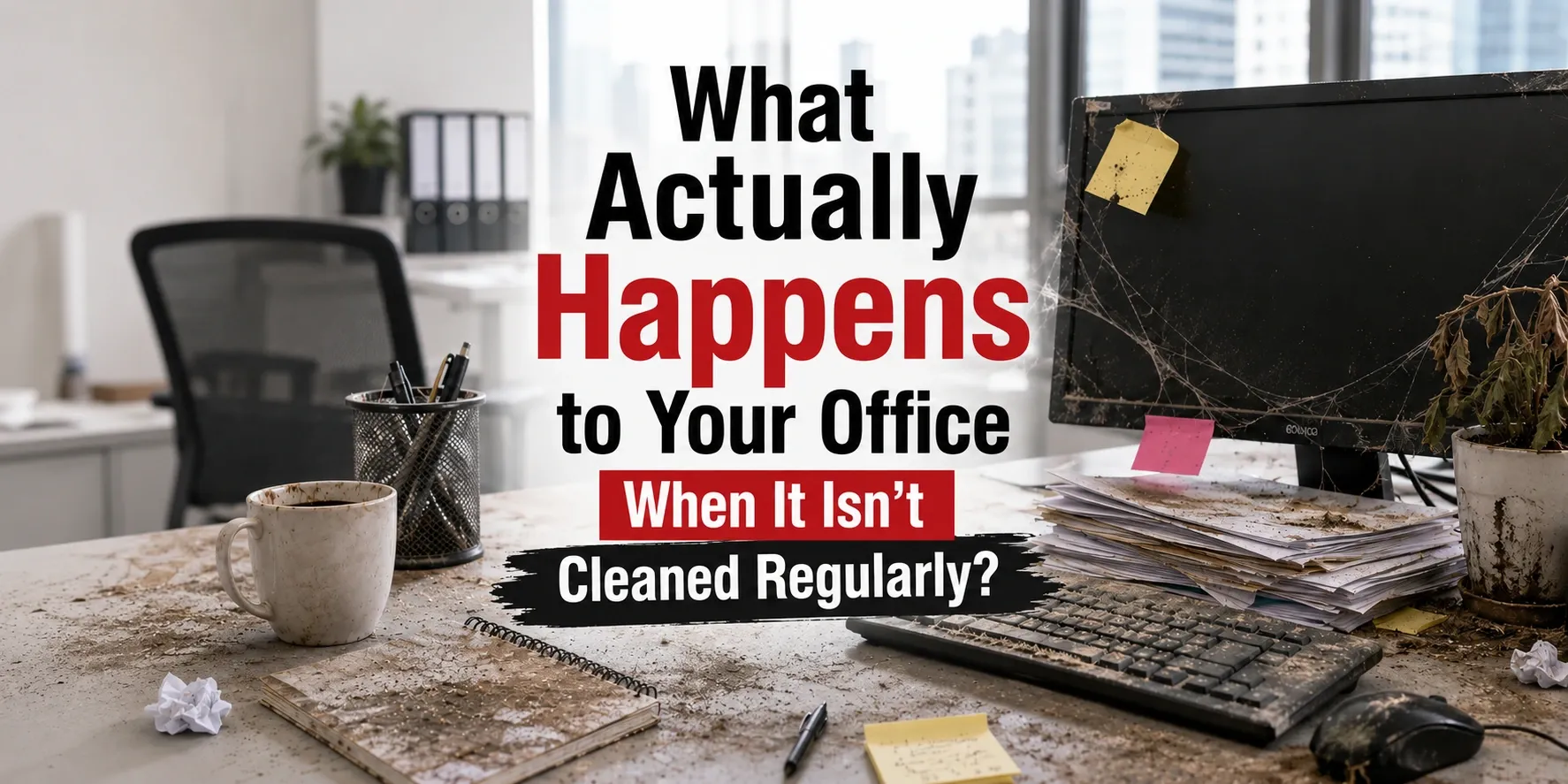
Your office will experience rapid changes if you wait to receive the best office cleaning services Singapore offers. The accumulation of dust leads to bacterial contamination on common touch areas, while indoor air quality becomes worse, and new unpleasant odors start to appear.
The ongoing problems create negative effects that harm employee health and decrease work output while damaging customer perceptions and deteriorating the quality of your work environment. The investment in office cleaning services from Singapore will stop potential problems that would otherwise grow into costly issues.
The organisation of an office space extends beyond its clean appearance. The system creates an environment that enables employees to stay healthy while it maintains the business reputation, and it protects all office furniture and flooring surfaces.
Companies moved to lower their cleaning expenses during financial constraints, but this approach produces additional expenses that go beyond the initial cost reduction.
The First Thing That Happens: Air Quality Drops
Many people believe an office only looks dirty when they can see dust. In reality, air quality starts to decline long before visible dirt appears.
Within around 72 hours without cleaning, dust begins to settle on desks, shelves, vents, and office equipment. The office environment releases small airborne particles because people move through its space. People who work there need to breathe these particles, which exist in the air during their entire work shift.
The warm and humid climate of Singapore provides perfect conditions for mould spores to thrive. Moisture trapped in carpets, fabric chairs, and curtains encourages mould to grow faster than many people expect. The spread of spores into the atmosphere happens because of small moldy areas that exist on surfaces.
Poor indoor air quality may lead to:
- Sneezing and coughing
- Itchy eyes
- Headaches
- Skin irritation
- Breathing discomfort for people with allergies or asthma
Employees may not connect these symptoms with office cleanliness. Instead, they simply feel tired or uncomfortable during the day.
Businesses looking for the best office cleaning services in Singapore often focus on appearance, but maintaining healthy indoor air is equally important.
How Quickly Do Bacteria Build Up on Office Surfaces?
Every employee touches dozens of shared surfaces each day. Door handles, keyboards, lift buttons, and pantry areas become contact points for bacteria.
Research has shown that a keyboard can contain up to 400 times more bacteria than a toilet seat. Shared office equipment allows germs to move quickly between employees. Singapore’s humid environment also supports faster bacterial growth on frequently touched surfaces.
Without regular cleaning, bacteria continue to multiply.
Common office surfaces and cleaning frequency
| Surface | Bacteria levels without regular cleaning | Cleaning frequency needed |
| Keyboard and mouse | Very high | Wipe down 2–3 times per week |
| Pantry sink | Extreme | Daily |
| Door handles | High | Daily |
| Desk surface | High | Wipe down 2–3 times per week |
| Toilet flush button | Very high | Daily |
Daily cleaning removes dirt before it becomes a larger hygiene issue. Regular disinfection also reduces the spread of germs throughout the office.
Many of the best office cleaners recommend paying extra attention to shared workstations because several employees may use the same desk during one week.
What Happens to Carpets in an Uncleaned Office?
Employees bring dust, dirt, and debris into the office every day. Food crumbs, hair, and other small particles settle deep into the carpet fibres. Without regular vacuuming, this dirt stays trapped and continues to build up.
Within three to four weeks, dust mites can begin to develop inside the carpet. Although they are too small to see, they can trigger allergies and reduce indoor air quality.
Dirt also wears down carpet fibres over time. As people walk across the carpet, the trapped particles act like sandpaper, causing the fibres to wear out faster.
Eventually, regular cleaning may no longer be enough to restore the carpet. Replacing commercial carpets can cost anywhere from SGD 5,000 to SGD 30,000, depending on the size of the office and the type of carpet.
Routine maintenance costs much less than replacing damaged flooring. That’s why many businesses invest in the best commercial cleaning services to keep their carpets in good condition and extend their lifespan.
Warning signs your carpet needs attention
Persistent stains
Old stains become harder to remove as they settle into the fibres.
Musty smell
Moisture trapped in carpets encourages mould growth.
The carpet surface experiences damage because of regular foot movement, together with accumulated dirt particles.
Increased allergies
Dust trapped beneath the fibres becomes airborne whenever people walk across the room.
How a Dirty Office Affects Staff Sick Days in Singapore
If you’re comparing the best office cleaning companies, choose one that follows a structured cleaning plan and understands the hygiene needs of modern workplaces.
Employee health has a direct impact on business performance.
Poor office hygiene allows bacteria and viruses to move easily between workstations, meeting rooms, and communal spaces.
This becomes even more important in Singapore, where many businesses use hot-desking. Different employees often use the same desk throughout the week.
Without proper cleaning between users, germs remain on:
- Desks
- Chairs
- Keyboards
- Computer mice
- Telephone handsets
- Meeting room equipment
Studies show poor workplace hygiene with a 15% to 25% increase in employee sick days.
Even a few extra sick days each month reduce productivity, delay projects, and place extra pressure on the remaining team members.
The best office cleaning companies understand that office cleaning supports both employee well-being and business continuity.
Healthy employees generally feel more comfortable, remain focused, and take fewer days away from work.
What Clients and Visitors Notice (That You Stop Noticing)
Employees become familiar with their surroundings. Small issues often go unnoticed after seeing them every day.
Visitors experience the office differently. They notice details within seconds of entering. These include:
Unpleasant smells
Odours are often the first thing visitors notice. Overflowing bins, food waste, and damp carpets contribute to stale indoor air.
Dust on visible surfaces
Dust around reception desks, shelves, and window ledges creates an impression of poor maintenance.
Smudged glass
Fingerprints on glass doors and meeting room partitions reduce the professional appearance of the office.
Overflowing rubbish bins
Full bins suggest poor organisation and weak attention to detail.
Dirty washrooms
Clients often judge the overall business by the condition of its toilets. A clean office helps create confidence before a meeting even begins.
Many businesses compare several of the best commercial cleaners before selecting a cleaning partner because first impressions can influence future business opportunities.
The Real Cost of Not Cleaning vs. The Cost of Regular Cleaning
Many businesses find that investing in the best office cleaning services is far more cost-effective than paying for repairs, replacements, and lost productivity later.
| Consequence of skipping cleaning | Estimated cost impact |
| Increased sick days (5 staff, 2 extra days each) | SGD 3,000–8,000 per year in lost productivity |
| Carpet replacement | SGD 5,000–30,000 |
| The client lost because of a poor first impression | Difficult to calculate |
| Monthly office cleaning contract | SGD 900–3,000 |
A regular cleaning programme usually costs far less than repairing damage or replacing worn materials.
When businesses compare the best office cleaning services in Singapore, they often discover that prevention offers better value than dealing with problems later.
What a Proper Office Cleaning Schedule Should Look Like
Every office has different cleaning needs. A workplace with heavy visitor traffic requires more frequent cleaning than a small private office. A practical schedule could include the following.
Daily
- Empty rubbish bins
- Clean toilets
- Disinfect high-touch surfaces
- Clean pantry areas
- Mop hard floors
Two to Three Times Each Week
- Wipe desks
- Clean keyboards and computer mice
- Dust shelves
- Clean meeting rooms
Weekly
- Vacuum carpets thoroughly
- Clean glass partitions
- Dust air vents
- Sanitize shared equipment
Monthly
- Deep clean carpets
- Clean upholstery
- Remove dust from high-level surfaces
- Inspect for mould in hidden areas
Following a structured cleaning plan keeps the office healthier throughout the year instead of waiting until problems become obvious.
When choosing among the best office cleaning companies, ask whether they provide flexible cleaning schedules based on your office size and daily operations.
Businesses need to evaluate multiple factors when they want to find the best cleaning company in Singapore because price should not be their only focus. The Top 10 cleaning companies in Singapore list provides a starting point for selection, but your workplace needs will determine which provider suits you best.
You need to analyse the Top 10 cleaning companies in Singapore with care because this process will help you choose a better cleaning company for your future needs.
Conclusion
Overall, an office environment takes time to develop into an unhealthy state because cleaning problems produce their initial signs, which people tend to miss. The accumulation of dust happens quickly while bacteria multiply on shared surfaces, which leads to deteriorating indoor air quality and accelerated carpet deterioration.
The workplace shows increased employee absences because staff members get sick, and visitors detect bad odors, which they notice before anything else about the facility.
You need to maintain regular cleaning practices because they protect your staff, support productivity, and protect your valuable office assets. The process generates a workplace environment that brings happiness to staff members and earns praise from business customers.
You need to select the best office cleaning services Singapore that provide scheduled cleaning services with professional employees who follow established service guidelines. A clean office exists beyond its physical appearance. Your staff members, along with your business reputation and future business success, require this investment.
Frequently Asked Questions
1. How often should an office be professionally cleaned in Singapore?
Professional cleaning services need to visit all office spaces at least twice every week, but three visits per week would be better. Business locations that receive many visitors, together with customer service areas and common areas in shared workplaces, need cleaning every day to stay clean and maintain their appearance.
2. Does a dirty office really affect employee productivity?
Yes. The workplace environment with bad cleanliness standards leads to employee concentration difficulties while making staff members feel uncomfortable, and it produces rising numbers of sick employees. The workplace environment needs to be clean because this condition supports employee health and allows them to perform their duties more effectively.
3. How quickly do bacteria build up in an office environment?
The process of bacterial growth starts right after people touch any surface. The combination of keyboards with door handles and pantry sinks creates prime spots for fast bacterial growth because of their continuous contact with people.
4. What is the most bacteria-covered surface in a Singapore office?
The highest levels of surface contamination appear on shared keyboards and computer mice and pantry sinks. The heavy foot traffic in these locations requires regular cleaning because multiple people make contact with these surfaces during their daily routines.
5. Is daily office cleaning necessary, or is weekly enough?
The correct solution needs to establish office dimensions together with their everyday work activities. All offices in Singapore require daily cleaning of their common areas and restrooms and frequently touched surfaces, but deep cleaning operations should occur on a weekly or monthly basis. Regular cleaning prevents small hygiene issues from becoming larger and more costly problems.


