

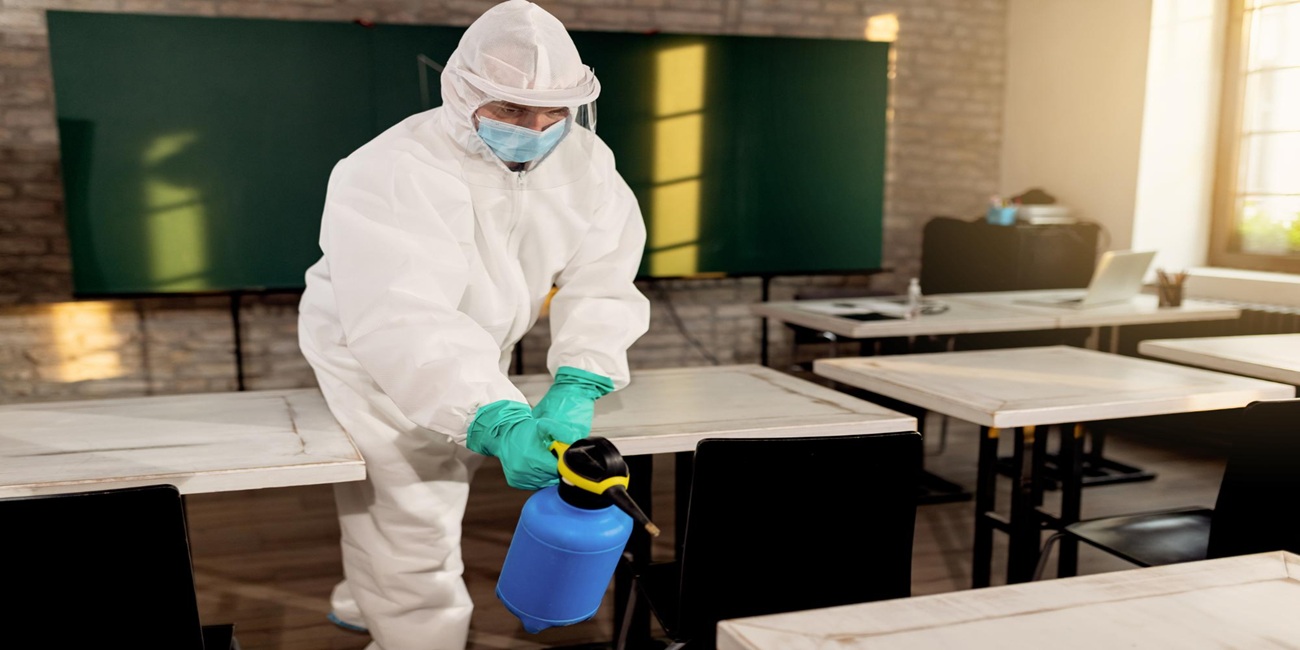
The last few years have brought a shift in human understanding about germs, which exist in common public areas. All residential and commercial areas must address the issue of whether they need extra cleaning protocols. Singapore residents now understand the presence of viruses and bacteria because they have developed their knowledge about these harmful microorganisms. The COVID-19 pandemic made people realise that their health was their highest priority. Research shows that viruses maintain their infectious potential when they exist on solid surfaces for three days.
Hiring a disinfection service in Singapore helps property owners tackle these hidden threats. Some believe the need to eliminate germs has diminished, while others think certain viruses and bacteria have always been present. The reality lies between these views. This guide defines sanitisation and outlines disinfection procedures, detailing costs and treatment methods, particularly during seasonal deep cleaning. It helps property owners choose the best approach to secure their indoor spaces.
What Are Disinfection and Sanitisation Services?
Professional teams use special products and tools to reduce germs on surfaces. The treatments direct their power toward bacteria, viruses, and fungi, which people usually fail to see. The process that professionals follow is distinct from the basic household spray wipe. The team applies authorised liquids to surfaces using foggers, sprayers, and other application equipment.
The goal is to lower germ counts to levels that health authorities say are safe. Many businesses book these services either after someone falls ill or before reopening their spaces. Homes also ask for them following an illness or for general peace of mind.
Fact: A single cough can release up to 3,000 droplets carrying viral particles.
Here is what a professional treatment usually includes:
- The entire area requires a full inspection because this process will uncover every location that contains dangerous elements. Professionals conduct their searches at locations that contain door handles, light switches, taps, and other items that people commonly share through physical contact.
- The operators must apply authorised liquids using specialised equipment, which includes foggers and sprayers. The equipment reaches all corners through its ability to deliver products to every location, which includes furniture backrests and air duct interiors.
- A waiting time that lets the liquid work properly. Professionals know exactly how long each product needs to stay wet to get the best germ reduction.
A sanitisation service in Singapore focuses on lowering germs to safe levels for public health. By eliminating almost all bacteria from difficult surfaces, disinfection goes one step further. According to the World Health Organisation, dirty surfaces cause about 20% of common viruses to spread.
Difference Between Cleaning, Sanitisation, and Disinfection
Most people fail to distinguish these three terms because they function as separate elements which serve various purposes in distinct situations. People need to understand service differences because they can choose the best solution for their requirements. The cleaning process eliminates all visible dirt and surface debris through soap application, which water then washes away.
The process of sanitising reduces the number of germs until they reach the safety level which health regulations require. The disinfection process eliminates most germs that survive on durable surfaces by employing potent chemical products.
| Action | What It Does | When to Use | Germ Removal Level |
| Cleaning | Takes off dirt, dust, and mess | Daily tidying, getting ready for deeper cleaning | Low (no specific removal rate) |
| Sanitisation | Lowers germs to safe levels | Food surfaces, childcare spots, high-touch areas | 99.9% removal |
| Disinfection | Removes nearly all germs | After sickness, medical places, high-risk spots | 99.999% removal |
The cleaning process needs to happen first because dirt prevents disinfectants from reaching the germs, which need to be eliminated. A disinfection service in Singapore never replaces regular sweeping or mopping. Each method has its place in a full hygiene plan. Research shows that flu viruses live on tissues for only 15 minutes but stay on hard surfaces for 24 hours.
Benefits of Professional Disinfection Service Singapore
Hiring trained teams offers benefits that do-it-yourself methods cannot match. Professionals carry strong products not found in supermarkets. A professional needs to understand the exact amount of time that liquids require to remain moist and function effectively. The experts possess the ability to access concealed areas. Research indicates that professional cleaning methods eliminate 99.99% of bacteria, but home cleaning practices only get rid of about 70% of germs.
Here are the main benefits of bringing in a professional team:
- Higher germ removal because providers use hospital-approved products. These liquids remove 99.999% of germs, including coronavirus, when put on the right way.
- The right way of putting on liquids, including spraying and fogging. These methods wrap around objects and reach into small spaces that cloth wiping always misses.
- Saves time since a team can treat a whole flat within one hour. Doing the same job alone would take a full day with worse results.
- Focused treatment on high-risk spots like toilets, door handles, and light switches. Professionals find hot spots that untrained eyes might miss.
A sanitisation service in Singapore also helps businesses follow workplace safety rules. According to Singapore’s National Environment Agency, proper disinfection can cut time off work by up to 45%.
Common Methods Used in Sanitisation Service Singapore
Professional teams use several methods depending on the space and situation. Each method works best for certain surfaces and room types. A disinfection service in Singapore usually uses spraying for most home jobs. Fogging works well for offices and business spaces with many desks.
1. Spraying with Electric Charge
This method gives cleaning drops a positive electric charge as they leave the sprayer. The charged drops actively stick to any surface they touch. This wrapping effect covers sides and undersides that normal spraying would miss. Research shows that this method cuts surface germs by 99.9% in one pass.
2. Fogging
The system releases an extremely delicate spray which moves through the atmosphere in a manner that resembles a gentle floating cloud. The tiny drops settle onto every exposed surface in the room. The method performs well when you need to cover large open spaces, which include office areas and school corridors. Research indicates that fogging achieves a 90% reduction in airborne germs, which occurs during the first 30 minutes of treatment.
3. Hand Wiping
Trained professionals put liquids directly onto surfaces using throwaway cloths. This hands-on method allows for careful treatment of delicate electronics and food prep areas. This method works well for smaller spaces or when fogging might harm sensitive items.
Cost of Disinfection and Sanitisation Services in Singapore
Several things affect how much a professional treatment costs. The size of the space matters most. A small flat needs less time and fewer supplies than a large office. The type of service also changes the final bill. Basic sanitisation costs less than complete disinfection. Same-day visits for emergencies cost more than planned appointments.
Here are the things that shape the final price:
- Room size measured in square feet. Providers usually charge per square metre. Bigger spaces get a lower rate per unit due to better efficiency.
- Number of rooms or zones treated. A single room costs less than a whole floor. Many companies offer package deals for full-home treatments.
- Type of liquids used. Stronger disinfectants that work against COVID-19 cost more than basic sanitisers.
- How fast do you need the service? Same-day or after-hours work adds to the base rate. Planning saves money on emergency call-out fees.
A one-time treatment costs about the same as a full spring cleaning session. Industry surveys show that 65% of Singapore homes now set aside money for at least one professional disinfection service each year.
Eco-Friendly Disinfection Options in Singapore
Some people worry about harsh products entering their living space. Families with young children or pets especially want gentler options. When booking a sanitisation service in Singapore, ask about eco-friendly choices. Studies show that eco-friendly disinfectants cut environmental harm by 80% compared to normal products.
1. Saltwater Technology
This liquid mixes plain tap water with a small amount of salt. An electric current passes through the mix, creating strong cleaning agents. The liquid breaks down into plain salt and water after use, leaving no harmful leftovers. Research shows that this method cuts 99.9% of germs within 30 seconds.
2. Plant-Based Cleaners
These products get their cleaning power from natural sources like thyme oil and citric acid. Thymol from thyme plants has shown strong germ-fighting powers. These plant-based options break down quickly without harming water systems. Research shows that thyme-based cleaners cut 99.9% of germs within 60 seconds.
3. Oxygen-Based Liquids
This common compound breaks down into water and oxygen after use, leaving zero toxic leftovers. Professional-grade, oxygen-based liquids work well against viruses, bacteria, and mould spores. Many Eco Cleaning in Singapore like this option for its balance of power and safety.
How Disinfection Fits with Spring Cleaning and Deep Cleaning
People often confuse disinfection procedures with the annual deep cleaning activities, which take place every year. The two services serve different purposes but work well together. Spring cleaning focuses on taking off dust, dirt, and clutter from every corner of a home. The process of disinfection occurs after cleaning has been completed rather than starting before cleaning begins.
The presence of dirt and dust prevents disinfectants from reaching the hidden germs which exist beneath the surface. Research data shows that combining deep cleaning with disinfection procedures results in a 95% reduction of surface germs when compared to using cleaning methods alone.
Here is how disinfection works alongside regular cleaning services:
- Cleaning starts by removing all visible dirt, dust and mess from every surface before any other tasks can proceed. The process requires this step because all the remaining dirt prevents disinfectants from reaching the hidden bacteria that exist beneath the surface.
- The process requires immediate disinfection after cleaning because staff must apply special liquid solutions to surfaces which have been properly cleaned. The products demonstrate their peak performance when their operational path remains free from any form of interference.
- High-touch spots receive additional attention during the two cleaning stages. The cleaning process starts with door handles, light switches and taps, which receive their first round of cleaning before staff apply disinfectants to protect them completely.
End-of-tenancy cleaning is another time when disinfection adds value. Tenants moving out want to leave the property in great shape. Adding a disinfection step after the normal end-of-tenancy clean gives peace of mind to incoming renters. A disinfection service in Singapore should always follow, not replace, a full physical cleaning. Research indicates that 70% of germs remain alive on surfaces that have undergone cleaning but not disinfection.
Conclusion
Professional disinfection and sanitisation continue to be essential for Singapore’s operational needs. The need has not gone away, even as public focus shifts to other issues. The need for professional assistance arises in specific situations which exceed the capabilities of standard cleaning practices.
People must understand when to call professional help for home disinfection, even though not every household requires this service every month. The public no longer focuses on COVID-19 as their main concern, but they still need to understand how germs spread between people.
Numbers show that viral infections in Singapore dropped by 60% during peak disinfection times. A disinfection service in Singapore is a useful tool in the cleaning kit, not a daily need. Use it wisely, along with regular cleaning and beneficial personal habits.
FAQs
How often should I book professional disinfection for my home?
Most homes need professional disinfection only after someone falls sick or before having frail guests. Daily cleaning handles everyday needs well enough. Studies show that monthly disinfection for healthy homes offers no extra benefit.
Can disinfection remove mould from walls and ceilings?
Disinfection deals with mould spores on surfaces, but it does not take off the stains. You need a special mould removal service to fix the growth properly. Mould comes back within weeks if you only disinfect without fixing the wetness source.
Is sanitisation safe for kitchens and food prep areas?
Professionals select food-safe sanitisers which remove all traces of cleaning residue while generating no dangerous chemical byproducts. Providers need to understand food contact areas before they begin their work in them. The National Environment Agency approves specific products which function in areas where food is handled.
Do I need to leave my home during the treatment?
Yes, most services ask people to leave for 1 to 3 hours. The liquids need time to dry fully before people or pets can go back in safely. Opening windows afterwards helps clear any remaining vapours within 30 minutes.
How do I know if a company uses NEA-approved products?
Ask for the product list and check it against the NEA’s list of approved cleaners. Good providers happily share this information and carry paper proof for you to see. Products that work against COVID-19 appear on this list, which gets updates each month.


